В видеоиграх, один, проникновенный микстейп может хранить в себе воспоминания, наполняющие всю юность.
С момента выхода 7 мая это сюжетное приключение Микстейп — разработанная студией “Beethoven and Dinosaur”, лауреатом премии BAFTA, и изданная Annapurna Interactive — за чуть более недели собрала более 4 000 отзывов в Steam, стабильно удерживая рейтинг “Преимущественно положительные отзывы” (90%+). Однако за этими впечатляющими коммерческими показателями разгорается ожесточённая дискуссия. Редкая для IGN максимальная оценка — первая «10 из 10» в 2026 году — поставила эту инди-игру в центр бурной дискуссии о том, что значит иметь «хороший вкус» в играх.
Молодежное эхо, пронизывающее саундтрек
Микстейп Действие игры разворачивается в вымышленном небольшом городке на севере Калифорнии в 1990-е годы. Вы играете за Стейси Рокфорд, упрямую подростка, мечтающую стать голливудским музыкальным режиссёром. В последнюю ночь перед отъездом в Нью-Йорк она вместе со своими двумя лучшими друзьями — Слейтером и Кассандрой — в последний раз переживает свои школьные годы.
По дороге на свою последнюю совместную вечеринку тщательно подобранный плейлист переносит троицу в сказочные сценки: первые поцелуи и последние танцы, проникновение в заброшенный парк развлечений после захода солнца, побег от полиции на тележке из супермаркета. Эти, казалось бы, незначительные акты бунтарства оживают благодаря эпизодам, построенным на музыке и интерактивности.
Как написал IGN в своей рецензии, получившей максимальную оценку: “Ностальгия — это горько-сладкое чувство, но, нравится нам это или нет, мы не можем не поддаться ей». Микстейп ”Это идеально передает это ощущение — это трогательное путешествие, в котором каждый поворот кажется создающим новые воспоминания, которые вы будете хранить в сердце долгие годы».”
Музыкальное видео, в котором можно играть
Что делает Микстейп Это настолько гениально, что музыка здесь никогда не воспринимается просто как фоновая атмосфера. Сюжет каждой главы тесно переплетен с конкретной песней, благодаря чему каждая из них превращается в “музыкальное видео, в которое можно играть”. Интерактивные эпизоды часто синхронизируются с битом и ритмом музыки, превращая то, что могло бы быть пассивными видеороликами, в нечто, по степени погружения в игровой процесс более близкое к ритм-игре.
Игра может похвастаться эклектичным саундтреком, охватывающим такие жанры, как пост-панк, хип-хоп, нью-вейв, трип-хоп и инди-рок, — в нем представлены такие исполнители, как Joy Division, Devo, The Smashing Pumpkins, Portishead, Roxy Music и Lush. Согласно репортажу VICE, команде не удалось привлечь одну известную группу из-за высокой стоимости лицензии, но именно такой уровень инвестиций в музыку и является причиной того, что Микстейп представляет саундтрек, достойный целого поколения.
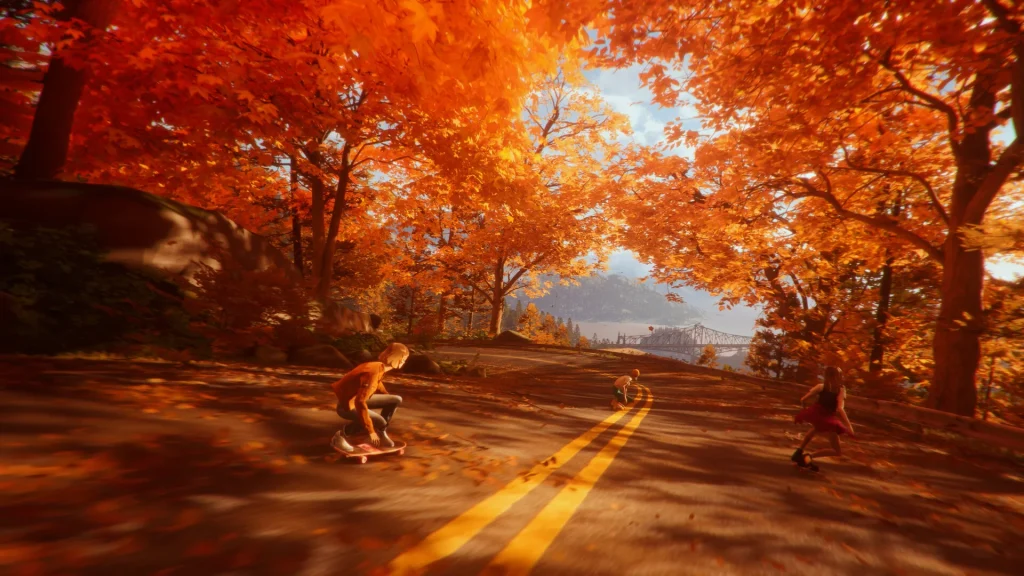
Визуально игра выполнена в анимационном стиле, напоминающем Человек-паук: В паутине вселенных, в сочетании с зернистыми кадрами из реальных съёмок и монтажом в стиле музыкального клипа. Каждый кадр выглядит так, будто он является частью тщательно созданного вручную мира. Переходы от сцен скейтбординга в залитой солнцем долине к историческим клипам с живыми актёрами и зернистым чёрно-белым эпизодам — эта эстетика коллажа, присутствующая в каждом элементе, идеально передаёт дух микстейпа.
Полярные мнения
Но именно максимальная оценка от IGN — первая «10 из 10» в 2026 году — вызвала Микстейп привело к резкому расколу между критиками и игроками. Огромный разрыв между профессиональными обзорами и реакцией обычных игроков стал самой спорной темой обсуждения вокруг игры с момента её выхода.
С одной стороны, профессиональные критики и крупные СМИ в целом высоко оценили игру. Сайт MonsterVine написал: “Микстейп — это замечательная игра, которая воспевает то, как определенный период времени может переплетаться с музыкой… Я искренне удивлен тем, насколько глубоко эта игра проникла в моё сердце”. GameSpot поставил ей оценку 9/10, отметив “потрясающий саундтрек” и “искреннюю, трогательную и многогранную историю взросления”. Game Informer и CGMagazine присвоили ей оценки 9/10 и 10/10 соответственно.
С другой стороны, критика со стороны игроков была не менее резкой. Некоторые жалуются, что в игре “практически нет игрового процесса”, называя её “симулятором прогулок”, где многие сцены могли бы разворачиваться сами по себе, без каких-либо действий со стороны игрока. Один пользователь Steam саркастически написал: “Непрерывная музыка означает, что в игре присутствуют только две крайние эмоции — страсть и меланхолия… Я всё забыл после окончания учёбы. Это просто тарелка уксуса, поданная для того, чтобы порекомендовать музыку, без пельменей вообще”.”
Еще одним серьезным предметом споров является продолжительность игры. Прохождение кампании занимает всего около трех–пяти часов, и некоторые считают, что такая продолжительность не оправдывает цену в $20. Другие же защищают игру, утверждая, что непрерывное музыкальное наслаждение и кинематографическое повествование вполне оправдывают эту стоимость.
У каждого есть свой микстейп
В конечном итоге дискуссия может выйти далеко за рамки самой игры. Как ответила в своём заявлении издательская компания Annapurna Interactive: “‘Мне это не нравится’ — это не то же самое, что ‘это плохо’”.” Микстейп — это не традиционная игра, построенная на “геймплее” в обычном понимании. Здесь нет сложного дерева навыков, нет ветвящегося сюжета с серьезными последствиями, нет сложных испытаний, которые хотелось бы пройти заново. Вместо этого она представляет собой интерактивный носитель эмоций — историю о взрослении, музыке, дружбе и прощании.
Как отмечается в обзоре сайта IT Home: “Микстейп ‘Это не просто воссоздание эпохи — это воссоздание ’ощущения ностальгии”. Речь идет не о той жизни, которую вы действительно прожили, а о тех фрагментах эмоций, которые кажутся знакомыми, окрашенными сиянием юности». Если вы готовы сбавить темп и погрузиться в эту атмосферу на три–пять часов, Микстейп откроет дверь в 1990-е — в мир с лучшим саундтреком, самыми искренними дружбами и тем молодым «я», которое никогда не отказывалось от своих мечтаний.
Другими словами, успех игры зависит не от того, сколько часов “геймплея” она предлагает, а от готовы ли вы принять это в своё сердце.
Микстейп теперь доступна на PS5, Xbox Series X|S, Nintendo Switch 2 и ПК. В Steam на неё сейчас действует скидка в честь запуска, а также она входит в подписку Xbox Game Pass. Независимо от того, решите ли вы отправиться в это ностальгическое путешествие или нет, игра уже оставила глубокий след в индустрии — не только в плане воспоминаний о юности, но и в плане того, насколько по-разному в разных мирах может пониматься понятие “хорошей игры”.
Добавить комментарий